
KSL Features Facial Recognition Technology Developed at BYU
Featured by KSL | March 17, 2021
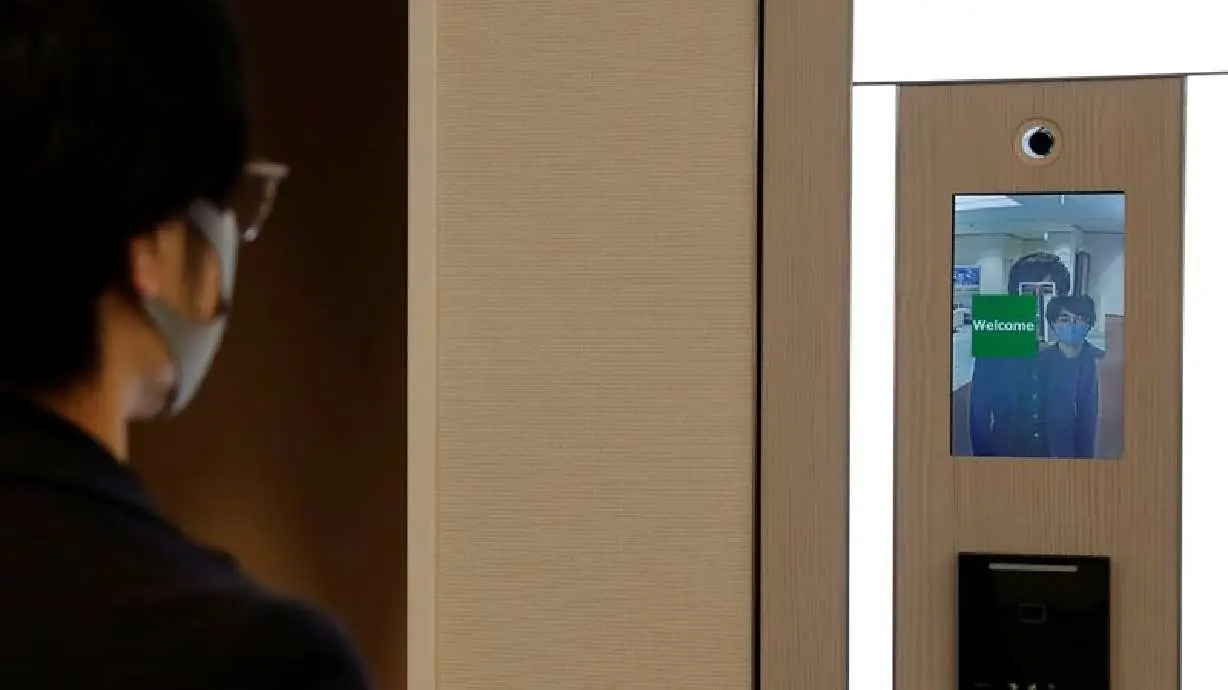
KSL Features Facial Recognition Technology Developed at BYU
KSL featured facial recognition technology developed through research led by Brigham Young University professor Dr. D.J. Lee. The research helped establish the foundation for AuthentiFace’s approach to biometric authentication and intentional identity verification.
Adding Intent to Facial Recognition Technology
A traditional facial recognition system can determine whether a face matches an enrolled identity. However, recognizing a face alone may not confirm that the individual is intentionally requesting access.
The technology featured by KSL adds another layer to the user authentication process by asking the individual to perform a unique facial movement. Combining facial identity with motion is designed to verify both who the person is and that the authentication attempt is intentional.
Potential Security and Accessibility Applications
The research examined how facial motion could support biometric authentication beyond mobile devices. Potential applications included access to secure environments, vehicles, financial services, and other systems requiring reliable identity verification.
KSL also highlighted the technology’s potential accessibility applications, including the possibility of using facial movements to help individuals interact with computers.
From BYU Research to AuthentiFace
Dr. Lee’s research helped provide the technological foundation for AuthentiFace. Today, AuthentiFace continues to develop identity-based authentication solutions for secure access across digital applications and physical facilities.
Read Lauren Bennett’s complete KSL article to learn more about the original research, testing, and potential applications of this facial recognition technology.